Philosophy of AI · AI Safety · AI Moral Status
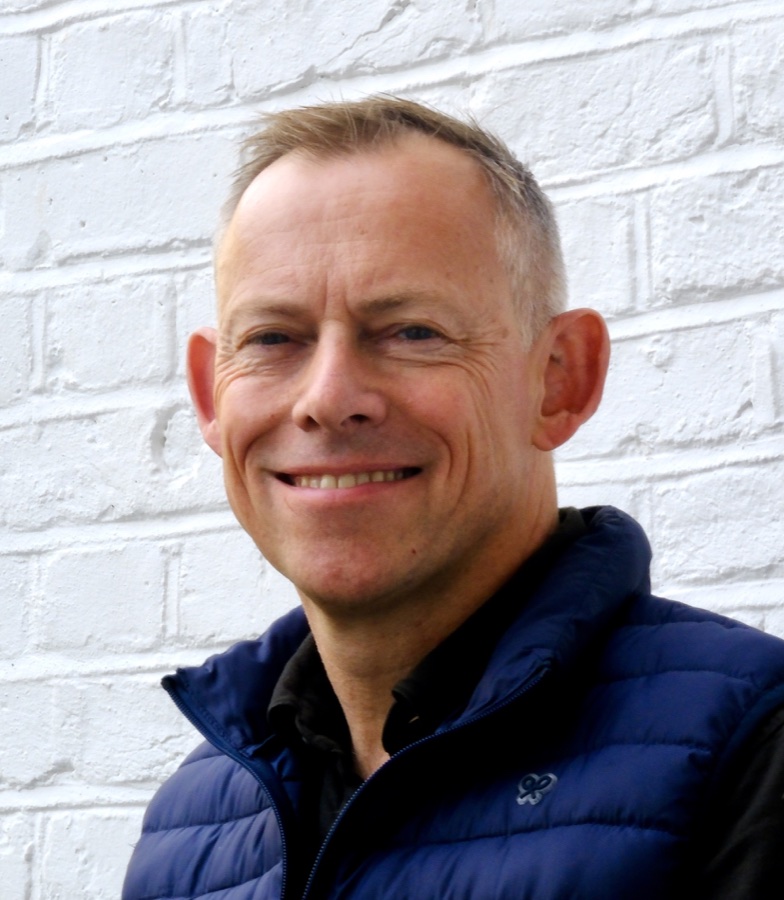
Paul R. Dixon
I am currently an MPhil/PhD researcher in philosophy at King’s College London, investigating the moral status of artificial systems. Before returning to academic study, I spent more than thirty years working on the front line of global financial markets – in derivatives, investment banking, financial risk, financial technology and asset management. That experience was all-consuming and highly rewarding, but it also made me somewhat sceptical of theories and models that presented financial markets as scientifically tractable, deterministic and predictable. Questioning the assumptions behind models and markets first drew me towards analytic philosophy.
My philosophical enquiries began with economics and the social sciences, before turning to AI. Rapid advances in artificial intelligence have since convinced me that philosophy can and should play an immediate and consequential role in shaping this technology and its effects on politics, economics and society. My research is focused on AI safety and the ethics of AI.
My central research question is whether an artificial system could ever – perhaps surprisingly – matter morally in its own right. Answering it requires us to examine sentience, consciousness, embodiment, agency and welfare – and to decide what evidence would justify extending moral consideration beyond biological beings.
These questions are no longer remote. Increasingly capable AI systems are already affecting economies, institutions and human relationships. If future systems acquire morally significant capacities, the decisions made in research, design and governance today may determine not only what such systems do to us, but what we are permitted to do to them.
Profile
About Me
I am an MPhil/PhD researcher in philosophy at King’s College London, working under the supervision of Dr Adrian Alsmith and Professor David Papineau. My research concerns the moral status of artificial systems and draws on moral philosophy, philosophy of mind, metaphysics and AI ethics.
Research programme
Research
My research project asks under what conditions an artificial system could possess moral status: when, if ever, it could matter morally in its own right rather than merely because of its effects on human beings. It examines which capacities could ground such status, whether they could be realised in a non-biological system, and what evidence, design choices and safeguards would matter if such systems became technologically plausible.
Archive
Writing
-
The end of history and the last job
Artificial intelligence may make economies richer while eroding jobs, wages and purpose. The essay examines who benefits from automation and argues democratic institutions must shape how its gains are shared.
-
What We Might Owe Our Robots
Could an AI-powered robot dog—or any sufficiently sophisticated artificial system—ever deserve moral consideration? This essay examines physicalism, functionalism and the capacities that might ground machine moral status.
-
Could Machines Have Moral Status?
This dissertation asks whether machines could possess moral status and compares two leading accounts: Peter Singer’s unitarian view, grounded in the capacity to suffer, and Shelly Kagan’s hierarchical capacities view.
Reading notes
AI Safety Journal
-
The Revenge of the Philosophy Majors
A survey of the new roles philosophers are beginning to play in frontier AI research – and of the limits of that emerging labour market.
-
The Id, the Ego and the Superintelligence
Critchley argues that the hardest questions in advanced AI concern judgment, meaning and value, helping to explain why leading AI laboratories are hiring philosophers.
Curriculum vitae
CV
Paul R. Dixon is an MPhil/PhD researcher in philosophy at King’s College London. His research concerns the conditions under which an AI system could possess some degree of moral status.
Articles
King’s Philosophy of AI
-
Mechanistic Interpretability
Further details will follow.